



Managing EC and Fertilizer: One Strategy Doesn’t Fit All

Crops vary widely in their early nutritional needs, making precise EC and nitrogen management essential. CAPELLA™ Petunia in the propagation stage benefits from a gradual ramp-up from 50 to 125 ppm N in the mist or supplemented by hand with EC held between 0.8–1.0 using a 2 to 1 soil test to support its naturally compact habit. SCOPIA® GULLIVER Bacopa also stays within this low EC range but is more sensitive to moisture and leaf disease, requiring extra care. TIMELESS™ Bidens can handle an early boost to 150 ppm N, though its vigor demands careful PGR control. ALONIA™ Angelonia tolerates higher feed early and finishes cleanly, making it a bit more forgiving. Matching nutrition to each crop’s behavior ensures stronger rooting and balanced growth.
Cool Finishing: Enhancing Form and Flower Power

Cooler finishing improves plant quality, but each crop reacts differently. LIA™ Calibrachoa benefits from 65–68°F, promoting tight growth and vibrant blooms. SOL LUNA PRIME™ Impatiens, bred for both sun and shade, thrives in cool temperatures—finishing at 65°F (18°C), but like all New Guinea impatiens, cooler conditions may require a longer production time. NESIA™ Nemesia also prefers cooler finishes around 65–68°F, enhancing compactness and color intensity, while LUCILLE™ Leucanthemum benefits from moderate cooling but should not be finished too cold, as temperatures below 60°F can slow growth and delay flowering. Adjusting finishing temperatures to each crop’s physiology is key to premium retail presentation and production efficiency.
Smart PGR Use Based on Vigor
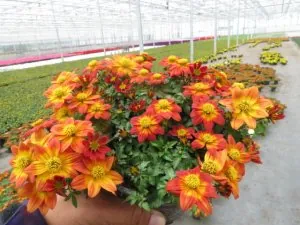
Not all varieties respond the same to PGRs. TIMELESS™ Bidens typically requires minimal regulation—cool temperatures and moderate feeding often suffice to control stretch. VANESSA™ Verbena, with its vigorous trailing habit, benefits from early Daminozide sprays (starting at 3000 ppm and gradually reducing to 1500 ppm). In addition, Paclobutrazol light drench of 0.5 ppm or 3ppm quick spray application (so It won’t be drenched) during finishing help maintain structure. SALLYFUN™ Salvia, upright but not overly aggressive, usually stays compact with proper spacing and strong light but may benefit from one or two light Daminozide sprays (1000 ppm) if needed. A tailored PGR approach minimizes inputs while preserving each variety’s natural form and appearance.
*Always refer to the specific PGR product label before use, as recommendations and active ingredients may vary by manufacturer.
Disease Prevention Starts at Propagation
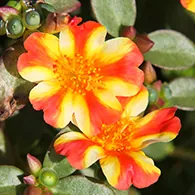
Different crops face different disease pressures—preventive care must be crop-specific. PAZZAZ NANO™ Portulaca is naturally resilient but needs excellent drainage and dry-down cycles to avoid root issues; excess moisture is its main risk. DARLIN™ Dahlia is more susceptible to powdery mildew and requires special attention for preventive treatment, starting early after sticking with appropriate fungicide applications and maintaining good airflow and spacing throughout production. SOLANNA™ Coreopsis is durable at finish but needs early protection from Pythium and Rhizoctonia. Matching disease management protocols to each variety helps secure clean, market-ready products.
RELATED POSTS